 Formulated by Joel Fuhrman, M.D., Nutritionist, for cellular health.
In today’s fast-paced world, maintaining optimal health starts at the cellular level. Ultra Cell Biotect™ is a thoughtfully formulated supplement designed to help protect cellular integrity, support immune function, and promote overall well-being.
Every day, normal cellular metabolism produces byproducts such as free radicals—unstable molecules that can contribute to cellular damage and accelerate the aging process. Over time, this oxidative stress may impact DNA health, immune response, and the body’s natural inflammatory balance. That’s where targeted nutritional support can make a meaningful difference.
Ultra Cell Biotect™ delivers a potent blend of antioxidant-rich phytochemicals sourced from organic green tea, black pepper, organic turmeric, black turmeric, and organic grape seed extracts. These carefully selected ingredients work synergistically to complement a healthy diet and strengthen the body’s natural defenses.
Antioxidants play a crucial role in neutralizing free radicals while also supporting important cellular signaling pathways. This helps promote cardiovascular health, maintain proper cell growth, and support cellular stability. Additionally, these compounds contribute to a balanced inflammatory response—an essential component of long-term wellness and healthy aging.
At the heart of Ultra Cell Biotect™ is its unique superfood blend. By combining some of nature’s most powerful plant-based ingredients, this formula is designed to help protect against oxidative stress while supporting immune resilience and overall vitality.
Whether you’re looking to support healthy aging, enhance your antioxidant intake, or promote cellular protection, Ultra Cell Biotect™ offers a science-informed approach to everyday wellness.
To learn more and to Order go to Ultra Cell Biolect™
Includes Scientific Studies and Customer Reviews
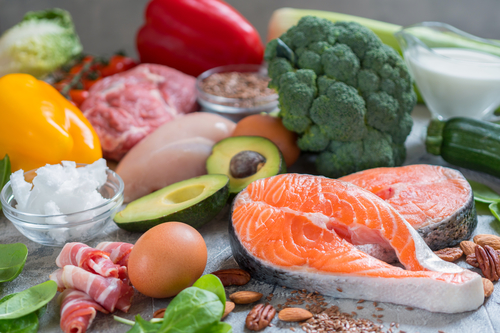
 Calm – Would you like a natural supplement formulated by Joel Fuhrman, M.D. to support healthy stress management, promote restful sleep, and encourage a calm, balanced mind.
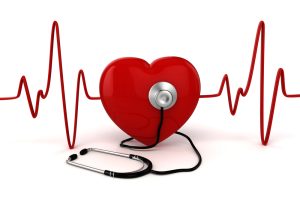 Dr. Fuhrman offers a detailed nutritional plan to reverse heart disease, normalize blood pressure and cholesterol, and protect against heart attacks. In his New York Times bestseller The End of Heart Disease, Dr. Fuhrman explains the futility of traditional medical care for heart disease. He offers compelling and irrefutable scientific evidence documenting how the right diet can be 100 times more effective at preventing heart disease and strokes and reveals the documented dangers of using drugs instead of eating right.
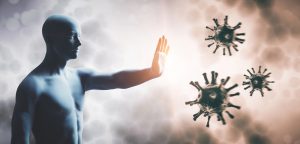 Immune Biotect™ is a formula by Dr. Fuhrman for Immune Health with a powerful combination of superfood ingredients that are rarely included in the typical diet. This carefully selected blend is designed to help support a healthy immune system and promote balance within the microbiome.
 Dr. Fuhrman’s Womens Daily +D3 multivitamin and mineral supplement is designed to support optimal health, longevity, and vitality.
 Designed by Dr. Fuhrman specifically for healthy cholesterol levels and to meet the needs of his patients who desire effective cholesterol lowering without toxic drugs and the side effects that go along with them.
 Formulated by Joel Fuhrman, M.D.